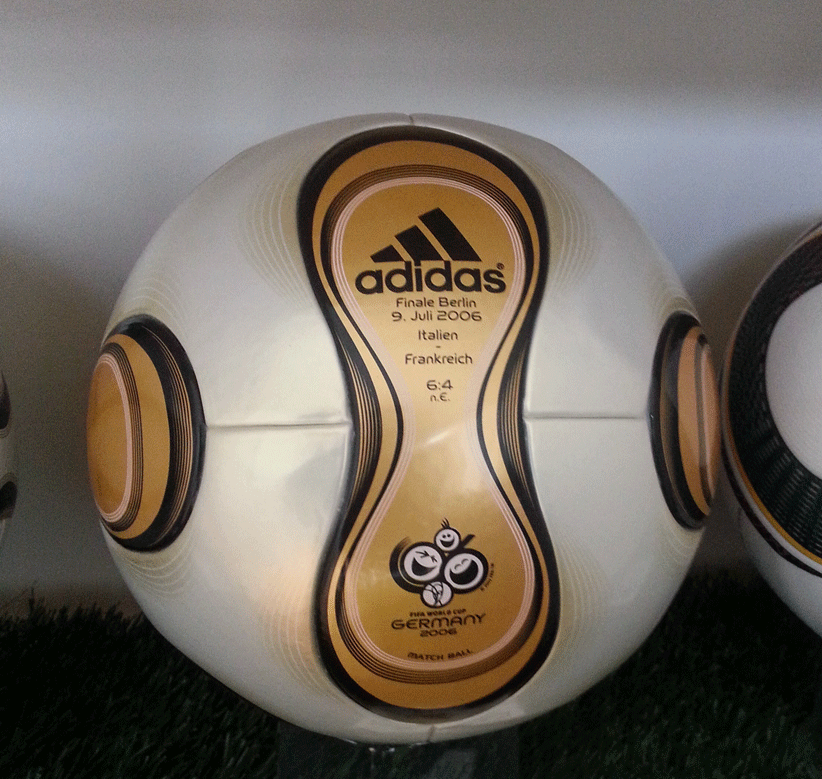
Official FIFA 2006 World Cup ball in Germany
Adidas Teamgeist and Teamgeist Gold model
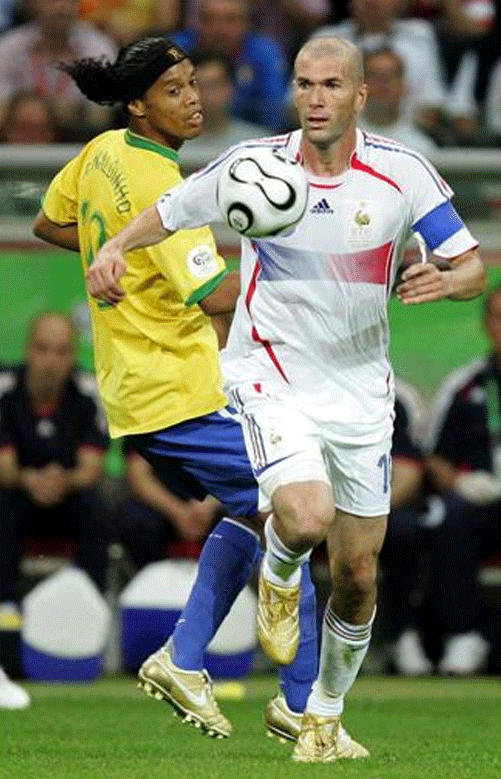
In the 2006 World Cup in Germany, Adidas introduced another revolutionary ball, the Teamgeist. This model is more smooth because it consists of 14 panels. These panels reduce by 60% the number of contact points, so it means a plainer surface which lets players have a better control. The ball was designed by the Adidas Innovation Team and the Molten Corporation and is made by Adidas, which has provided the balls used in all World Cup matches since the 1970 World Cup when the Telstar was introduced. The Teamgeist ball differs from previous balls in having just 14 curved panels (making the ball topologically equivalent to a truncated octahedron), rather than the 32 that have been standard since 1970. In another first, the panels are bonded together rather than stitched. It is claimed to be rounder and to perform more uniformly regardless of where it is hit, and being almost waterproof it does not change performance as much when wet. Teamgeist name means "team spirit". The word "Geist" is spirit in german.
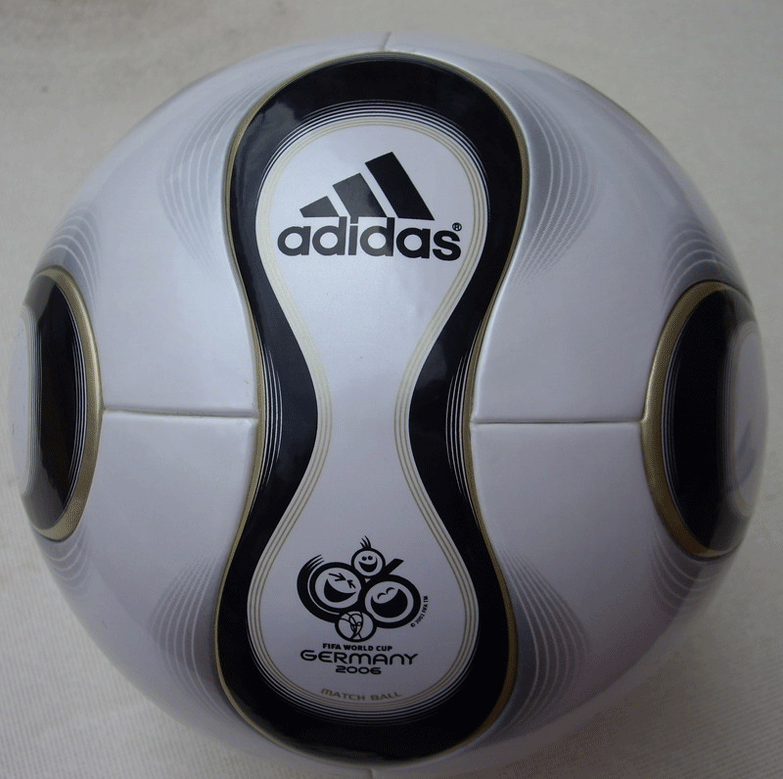
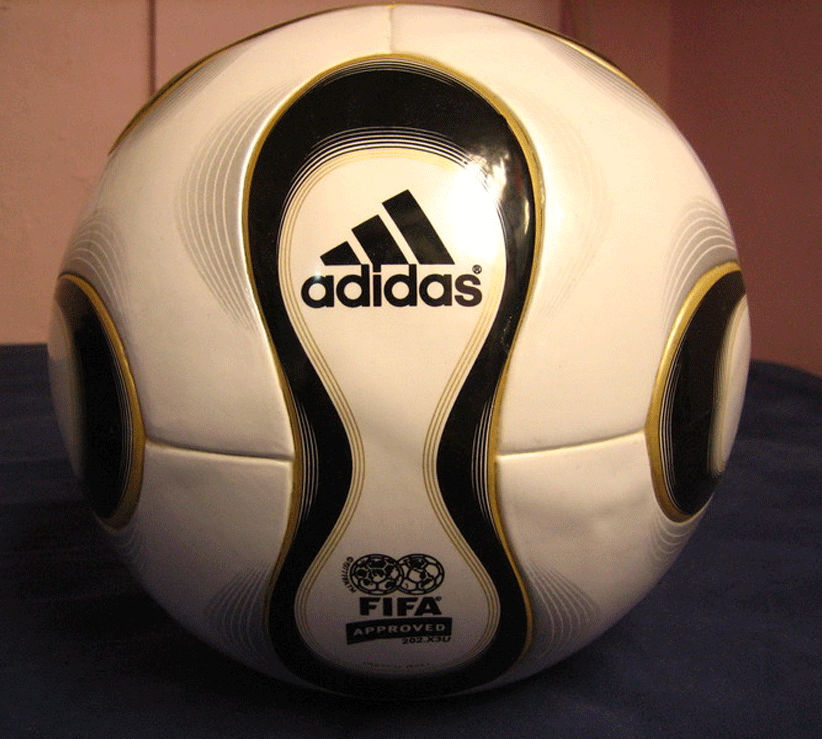
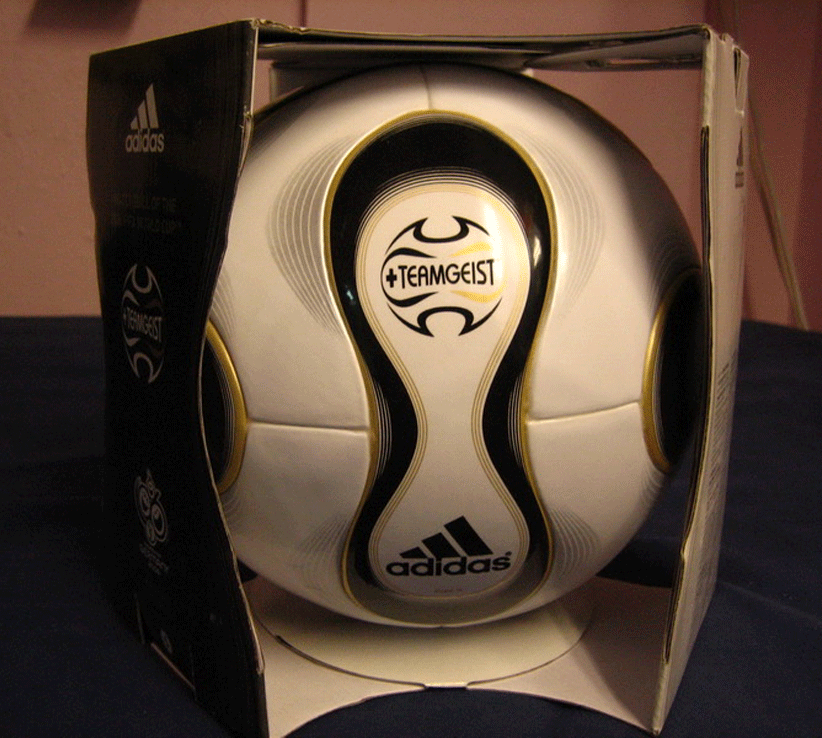
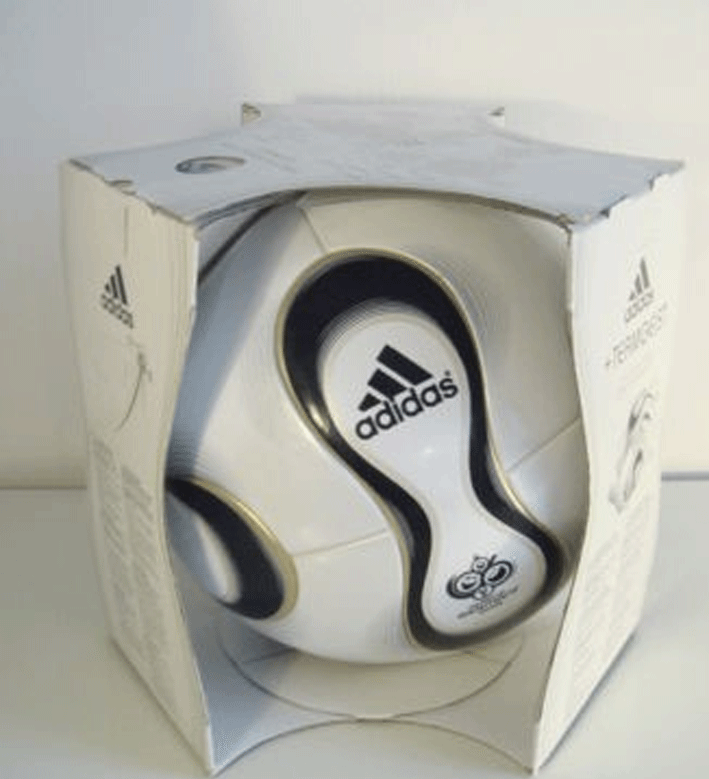
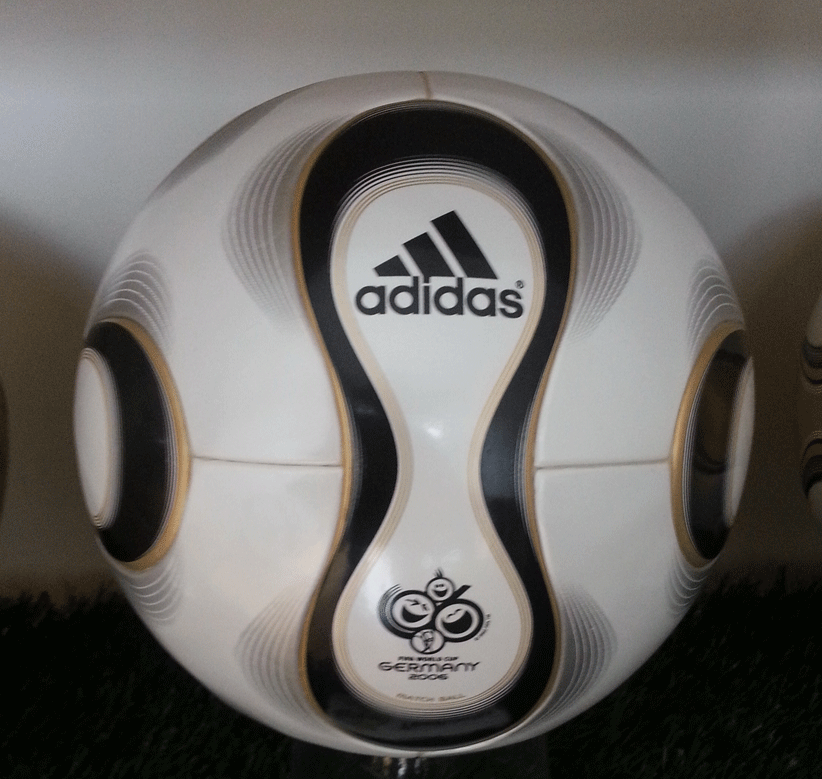
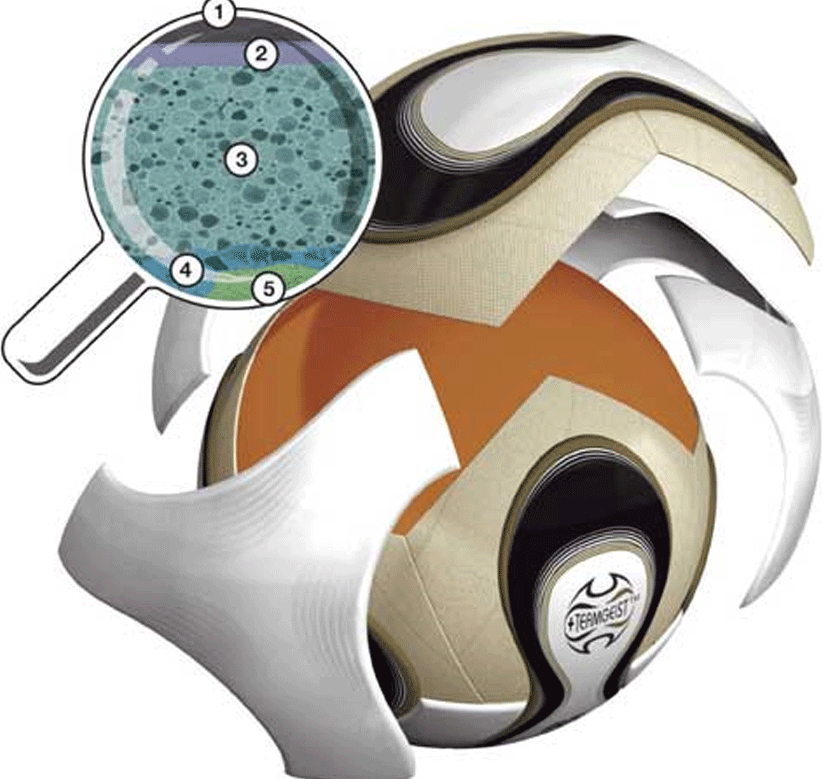
On this picture above we see the Teamgeist. It consists of 14 panels which were designed by Adidas for this tournament. It is so curios that the first World Cup balls were composed by long panels in order to get the most spherical as possible. Afterwards the balls were composed by small pentagons and hexagons. Now Adidas comes back to the origin using long panels like the first models, but on this case the goal is to get the most smooth surface as possible.
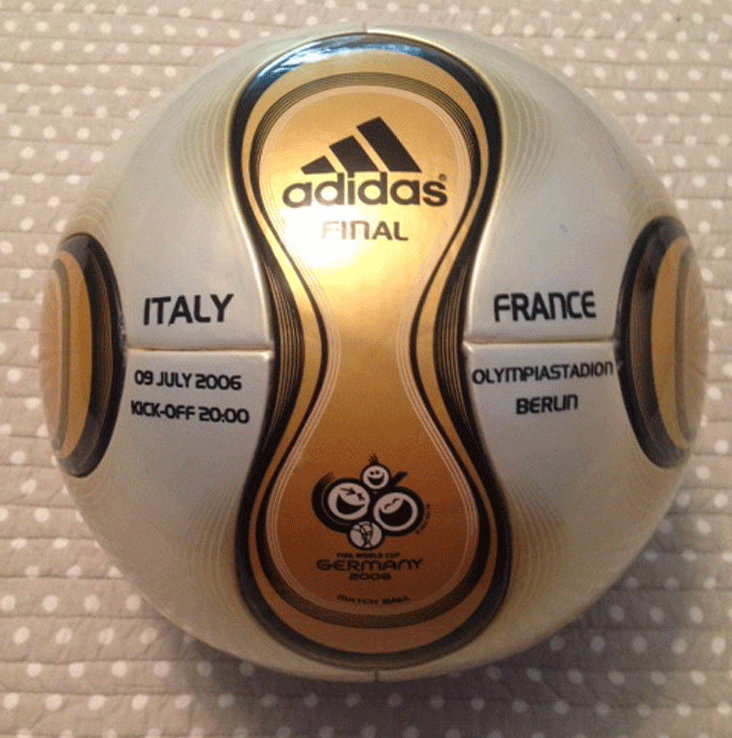
In the 2006 World Cup final Adidas introduced the Teamgeist brother, the Teamgeist Gold. It was exactly the same model but in golden color. The typical Teamgeist Gold did not have any lettering of a team printed. It was just for the final.